Loading...
Serving Pasadena, CA and surrounding areas. (213) 953-8008
Most Pasadena homes built before 1980 are significantly under-insulated. We add the right material to your attic, walls, and crawl space without demolition so your home finally holds the temperature you paid to create.
Retrofit insulation in Pasadena means adding insulation to a home that is already built - blowing, spraying, or injecting material into existing attics, walls, and crawl spaces through small openings, without tearing anything apart. Most attic jobs are completed in a single day and require no major disruption to your living space.
If your home is more than 40 years old and has never had insulation evaluated, the odds are high that what is up there has compressed, degraded, or was never adequate to begin with. A thin layer of old fiberglass batting sitting on top of unsealed gaps does very little on a 100-degree San Gabriel Valley afternoon. Good retrofit work always starts with air sealing the gaps before new material goes in - because insulation alone cannot stop air moving through holes. Pairing this service with home insulation across all areas of your home gives you a complete thermal envelope.
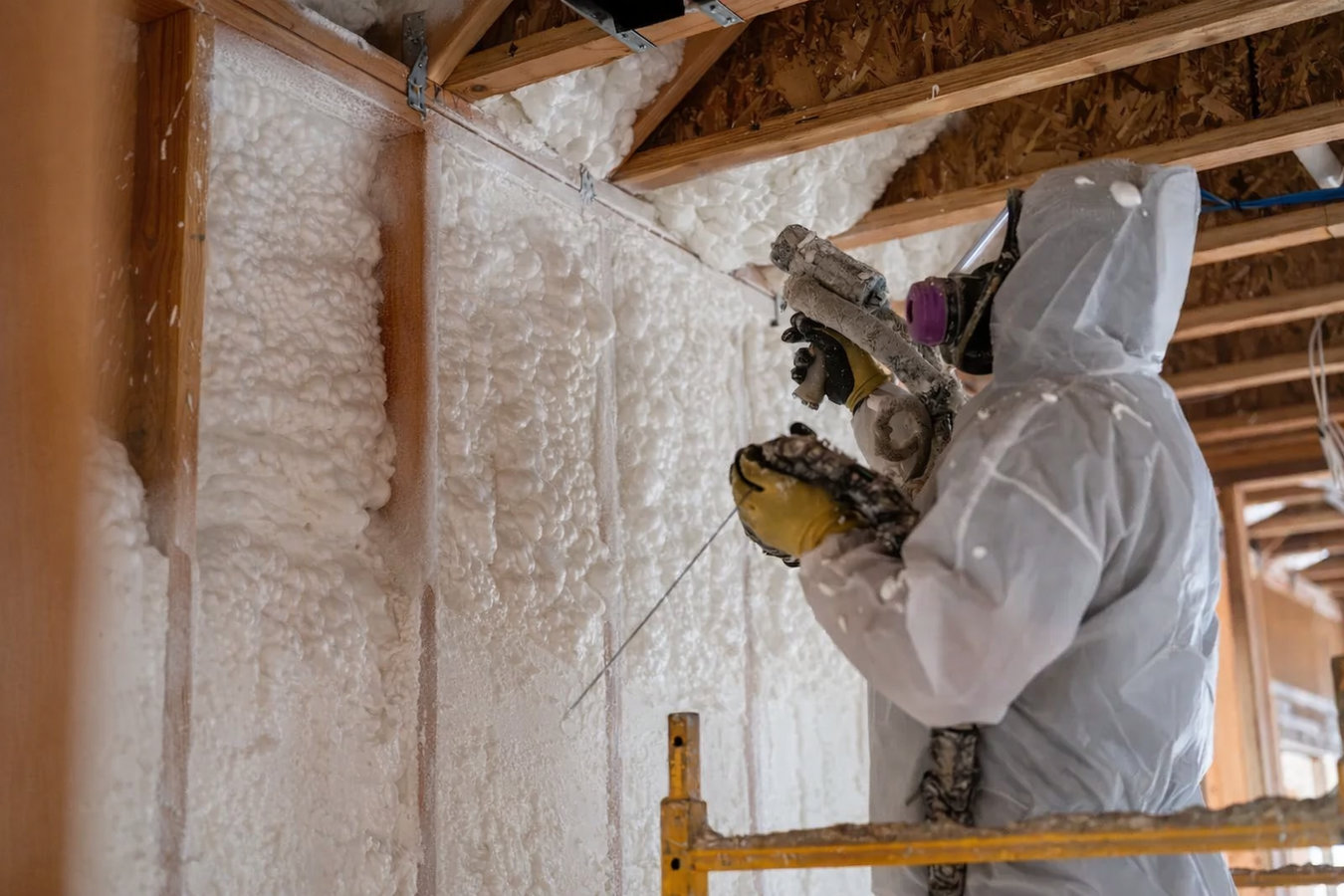
For homeowners whose primary goal is sealing air leaks specifically in the attic floor, our spray foam insulation option provides both air sealing and insulation in a single application, which many older Pasadena homes benefit from.
If your air conditioner cycles on and off all day during a Pasadena heat wave and your home still feels warm by mid-afternoon, heat is getting in faster than your system can push it out. A properly insulated home should hold a comfortable temperature without running at full capacity all day. Constant cycling is a clear sign your attic is not doing its job.
If your electricity bill jumps dramatically from May to September and you have compared notes with neighbors in similar homes, the gap is often explained by insulation. Southern California Edison customers in Pasadena can request a home energy report comparing usage to similar nearby homes - a significant gap is a strong signal that your home needs attention.
Homes built in Pasadena's historic neighborhoods before modern energy codes existed often have little or no insulation in the walls and only a thin compressed layer in the attic. If your home is more than 40 years old and has never had a contractor assess insulation levels, there is a good chance you are losing significant energy every day.
If one room is always five to ten degrees warmer than the rest of your home in summer, or drafty in winter, that room likely has a gap in insulation coverage. This is common in rooms directly below the roofline or above a garage. You can feel it without any equipment - just walk through your home on a hot afternoon and notice where the temperature changes.
Our most common retrofit project is attic blown-in insulation - cellulose or fiberglass particles blown in through the attic hatch with a hose until the space reaches the depth recommended for Southern California's climate zone. Before any new material goes in, we seal every gap around light fixtures, pipes, and wall tops with foam or caulk. That sequencing matters: insulation over unsealed air leaks still leaves the leaks working against you. The U.S. Department of Energy's insulation guidance supports this approach for all climate zones.
For walls in older Pasadena homes where original plaster construction left cavities with no insulation, we use dense-pack injection - drilling small access holes from the exterior, filling the cavities completely, and patching the holes to match the surrounding surface. This process is effective in craftsman bungalows and Spanish colonial homes where opening walls from the inside is not practical. Crawl space and floor insulation is available for raised-foundation homes where cold floors or moisture issues are part of the comfort problem. All retrofit work is documented with material specifications and coverage measurements so you have records for utility rebate applications.
Suits most Pasadena homes with accessible attics - fast installation, single-day completion, highest return on investment.
Ideal for older homes with uninsulated plaster walls where adding material without major renovation is the goal.
Best for homes with raised foundations where floors feel cold in winter or where moisture infiltration is a concern.
Recommended for most Pasadena homes - combines gap sealing and new material in one visit for the best energy outcome.
Pasadena sits in the San Gabriel Valley at the foot of the San Gabriel Mountains, which creates a bowl effect that traps heat and limits natural cooling. Summer temperatures regularly reach the high 90s and occasionally push past 100 degrees Fahrenheit. For homeowners with under-insulated attics, that heat does not stay outside - it radiates down through the ceiling all afternoon, forcing the air conditioner to work at full capacity for hours. Homeowners in Alhambra, CA and El Monte, CA face similar summer heat profiles and see the same energy savings from attic retrofit upgrades.
A large share of Pasadena's single-family homes were built between the 1920s and 1960s, when insulation was minimal or entirely absent by today's standards. Many of these homes have original plaster walls with no insulation inside them and attics with thin, compressed fiberglass that has lost most of its effectiveness over decades. Beyond the energy cost, Pasadena also experiences periodic wildfire smoke events and Santa Ana winds that push outdoor air through every gap in a home's envelope. A properly insulated and sealed home keeps that air out, which matters more every year as fire seasons extend in this part of Southern California. The ENERGY STAR Seal and Insulate campaign provides additional context on why combined air sealing and insulation work delivers the best outcomes.
We ask a few basic questions - your home's age, square footage, and what prompted the call. We reply within one business day and schedule an in-person assessment. Do not trust a quote given over the phone without a site visit; conditions vary too much for accurate pricing.
We walk through your home and inspect the attic, checking existing material and measuring coverage. We also look at walls, crawl space, and any areas where you have noticed temperature problems. This visit usually takes 30 to 60 minutes, and we explain what we find in plain terms before leaving.
You receive an itemized written quote covering materials, scope, and total cost. We clarify whether air sealing is included, identify permit requirements, and check whether we are enrolled in Southern California Edison or SoCalGas rebate programs that apply to your project.
Most attic jobs are done in a single day. The crew seals air gaps first, then blows in material to the target depth. Before leaving, we do a walkthrough so you can see the finished coverage, and we provide any documentation needed for utility rebate applications.
No pressure, no obligation. Free in-home assessment. We reply within one business day.
(213) 953-8008Skipping air sealing before adding insulation is one of the most common shortcuts in this industry. We seal every gap around light fixtures, pipes, and framing with foam or caulk before the insulation goes in - so you are not paying to insulate over leaks that will keep costing you money.
Pasadena's craftsman bungalows and Spanish colonial revivals have unique challenges - more penetrations, older materials, and sometimes knob-and-tube wiring that requires special handling before foam is applied. We know what to look for in homes of this era and flag issues during the assessment, not mid-job.
We handle the documentation for Southern California Edison and SoCalGas rebate programs and help you identify federal tax credit eligibility before the job starts. A contractor who manages this process for you means you do not leave money on the table because of missed paperwork.
After every attic job we provide documentation of materials used and coverage achieved. For homeowners applying for rebates, this paperwork is required. See installation quality standards at naima.org.
Our goal is simple: your home should be noticeably more comfortable after we leave, and you should have the paperwork to prove what was done and claim every rebate you are entitled to.
For permit requirements, contact the City of Pasadena Building and Safety Division, which reviews and inspects permitted insulation work in the city.
A single-application material that seals air gaps and provides insulation value simultaneously - effective in attics and crawl spaces.
Learn MoreWhole-home insulation covering all areas of the building envelope for homeowners who want a complete upgrade in one project.
Learn MoreAttic jobs fill fast before June. Book your free assessment now and get on the schedule before the hottest months arrive.